
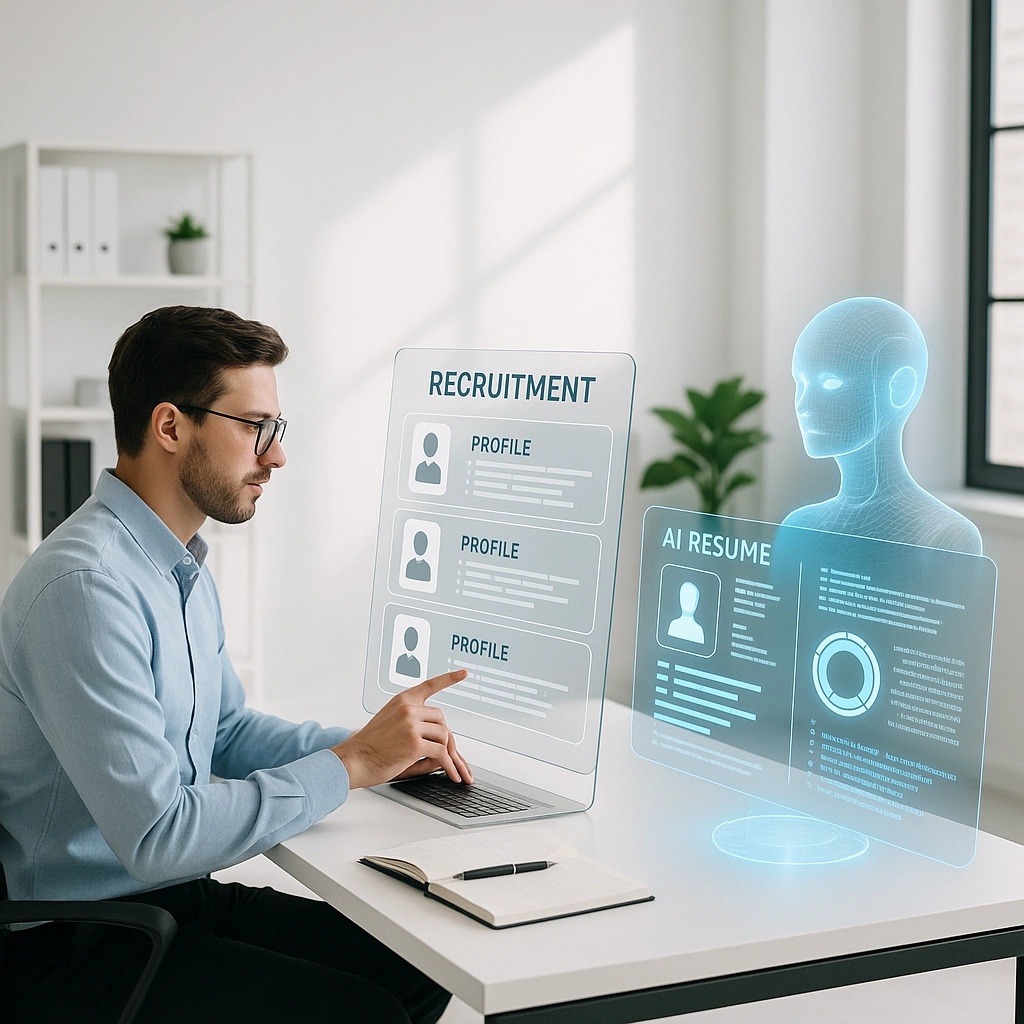

The Rise of AI Hiring Fraud
Hiring used to rely on resumes, conversations, and a bit of intuition. Today, the landscape is changing quickly. Artificial intelligence and deepfake technology have introduced a new challenge for employers: candidates who may not actually exist.
Companies are now encountering everything from AI-generated resumes to video interviews conducted by digitally altered identities. What once looked like simple resume exaggeration has evolved into sophisticated, technology-driven deception.
How It’s Happening
Modern hiring fraud often involves multiple layers of AI tools working together:
-
AI-generated resumes designed to perfectly match job descriptions and bypass screening filters
-
Deepfake profile photos used to create convincing LinkedIn accounts
-
AI-written emails, cover letters, and interview responses that appear polished and authentic
-
Voice cloning and video deepfakes that allow impostors to participate in live interviews
Some fraudulent applicants even build full digital footprints, including fake work histories, endorsements, and references generated with AI tools.
Why It’s Growing
Several trends are accelerating the problem:
-
The expansion of remote work and remote interviews
-
Cheap and widely available AI tools
-
Organized cybercrime groups targeting companies through employee infiltration
Certain roles—particularly in technology, cybersecurity, and remote engineering—have become prime targets.
The Real Risk for Businesses
This isn’t just about hiring the wrong person. In some cases, fraudulent hires have led to data breaches, intellectual property theft, and financial loss.
Reports from cybersecurity firms indicate that organizations may take months to identify a malicious insider, giving bad actors significant time to access sensitive systems and information.
What Hiring Teams Can Do
Employers are beginning to adapt their hiring processes to detect and prevent AI-driven fraud. A few practical steps include:
-
Verifying identities in real time during video interviews through spontaneous actions or questions
-
Conducting conversational interviews that are harder for scripted AI responses to navigate
-
Independently verifying references and employment history rather than relying solely on submitted documents
-
Using AI-based detection tools designed to identify deepfakes or synthetic content
-
Collaborating with cybersecurity teams during hiring for roles with sensitive access
Technology Is Evolving — So Must Hiring
AI will continue to play a growing role in the workplace, and it offers incredible benefits when used responsibly. But as technology advances, hiring practices must evolve as well.
For organizations, protecting the integrity of the hiring process means combining technology, verification, and good old-fashioned human judgment.
Because in a world where digital identities can be manufactured, trust and verification matter more than ever.